

Here is something nobody tells you about brand reputation management. It is not a department. It is not a software dashboard. And it is definitely not something you think about only when a PR crisis hits your inbox at 2 AM on a Friday.
Brand reputation management is a daily practice. It is what happens between the crises. It is how your support team answers a frustrated customer on X. It is the tone of your CEO’s LinkedIn post after a product recall. It is whether your employees actually believe the values printed on your office wall.
I have watched brands spend millions on advertising while ignoring a 2.8-star Google rating. I have seen billion-dollar companies crumble because nobody in leadership took a Reddit thread seriously. And I have also watched small brands with zero ad budgets win massive loyalty simply because they showed up honestly every single day.
This guide is not a glossary page. You will not find definitions padded with fluff. What you will find is a real breakdown of how brand reputation management works in practice, what separates the brands that survive crises from those that don’t and the exact moves you can steal for your own brand.
Table of Contents
What Brand Reputation Management Actually Means (Beyond the Textbook)
Most articles define brand reputation management as “the process of monitoring and influencing how your brand is perceived.” That is technically correct. It is also completely useless.
Let me put it differently. Brand reputation management is the gap between what you promise and what people experience. That is it. When the gap is small, your reputation is strong. When the gap is wide, no amount of PR spin will save you.
Think about Chick-fil-A for a second. They promise friendly service and consistent food. Walk into any location in Atlanta or Austin or Omaha and you get exactly that. The experience matches the promise. That is brand reputation management working at scale, not because someone is monitoring Yelp reviews but because the operational reality matches the brand story.
Now think about a brand like WeWork circa 2019. The promise was revolutionary workspace culture. The reality was overpriced leases, questionable leadership decisions and a spectacular IPO implosion. The gap between promise and experience became a canyon and the reputation collapsed under its own weight.
This is the part most “brand reputation management strategies” articles miss entirely. They jump straight to tools and tactics without addressing the foundation. If your product is bad, no monitoring tool will save your reputation. If your customer service is terrible, no amount of positive press will outrun the damage.
The Three Layers of Brand Reputation (And Why Most Companies Only Focus on One)
After studying how dozens of American brands handle their reputations, I have noticed that reputation operates on three distinct layers. Most companies obsess over one and ignore the other two.
Layer 1: The Visible Layer (What People See)
This is where most brands focus. Google reviews. Social media mentions. Press coverage. Yelp ratings. This is the layer that shows up in your weekly marketing report. It matters, obviously. But it is also the layer where you have the least control.
By the time something shows up as a negative review or a viral complaint tweet, the damage is already done. Monitoring this layer is necessary but treating it as your entire reputation management strategy is like checking your rear-view mirror and calling it driving.
Layer 2: The Operational Layer (What People Experience)

This is where reputation is actually built or destroyed. How fast does your support team respond? What happens when a customer asks for a refund? Does your product do what your landing page claims it does? How does your checkout process feel on a phone?
Trader Joe’s is a perfect example here. They do not spend a fortune on brand monitoring tools. They spend it on employee training, product curation and making sure the in-store experience is consistently excellent. Their reputation is a byproduct of operations, not of PR.
Layer 3: The Cultural Layer (What Your People Believe)
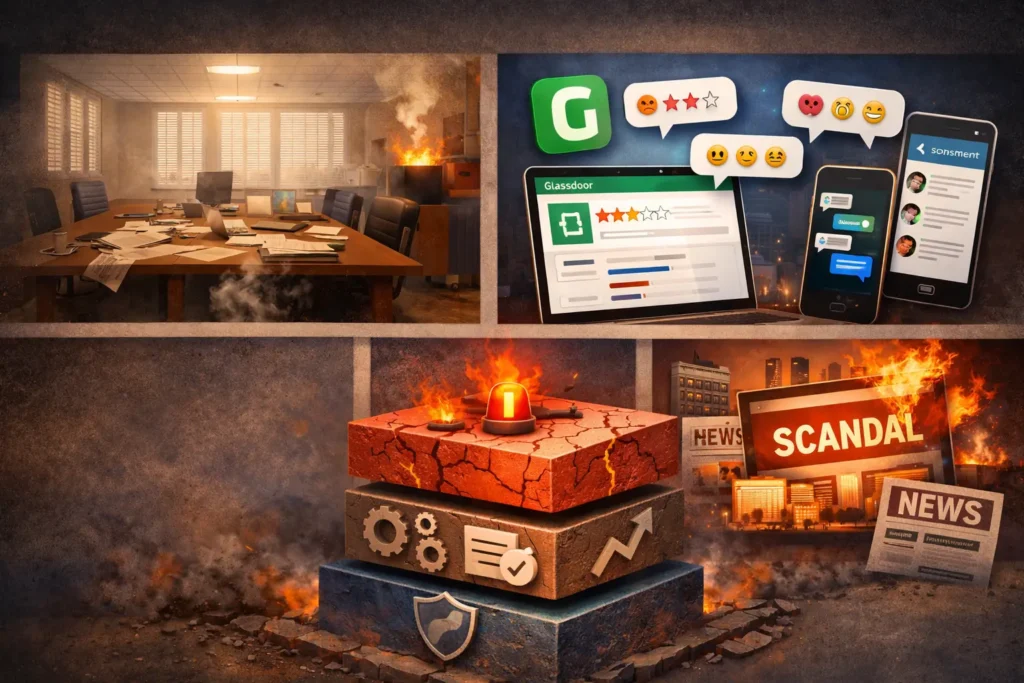
This is the layer almost nobody talks about. Your internal culture is a reputation management strategy whether you realize it or not. Glassdoor exists. Blind exists. Your employees talk at dinner parties, post on LinkedIn and share their honest opinions about what it is really like to work at your company.
When Basecamp had its internal culture meltdown in 2021, a third of their workforce left within a week. That was not a PR problem. It was a cultural problem that became a reputation problem overnight. No crisis communication playbook could have prevented that.
If you want brand reputation management that actually holds up under pressure, you need all three layers working together. Monitoring without operational excellence is just watching yourself fail in real time. Operational excellence without cultural alignment means one viral employee story can undo years of customer trust.
The Real Cost of Ignoring Brand Reputation (With Numbers That Hurt)
Let me skip the vague “reputation is important” talk and give you specific numbers.
According to a Weber Shandwick study, global executives estimate that 63% of their company’s market value is directly attributable to reputation. For a company valued at $500 million, that means roughly $315 million is tied to how people perceive the brand. Not products. Not patents. Perception.
Here is what the downside looks like in practice. When United Airlines dragged Dr. David Dao off an overbooked flight in 2017, the company lost roughly $1.4 billion in market value within 24 hours. One event. One poorly handled situation. Billions gone.
But the slow-burn damage is often worse than the dramatic headlines. A Harvard Business School study found that a one-star increase on Yelp leads to a 5-9% increase in revenue for independent restaurants. Flip that around. A one-star decrease can cost you nearly 10% of your revenue, every single month, without any dramatic incident happening at all.
The brands that get hit hardest are the ones who only invest in reputation management after the damage is visible. By then, you are playing defense when you should have been building the fortress.
How to Actually Build and Protect Your Brand Reputation
I am going to walk you through the moves that actually matter. Not a list of 47 tactics. Just the ones that create real impact.
Own Your Narrative Before Someone Else Does
Every brand has a story. The question is whether you are telling it or letting others tell it for you. This goes beyond having a nice About page. It means actively creating content that establishes your expertise, your values and your perspective.
Patagonia does not wait for journalists to write about their environmental stance. They publish their own supply chain reports. They run their own content platform. They actively shape the conversation around their brand so that when a journalist does cover them, the narrative already exists.
For your brand, this means investing in thought leadership that goes deeper than surface-level blog posts. Publish original research. Share behind-the-scenes stories. Let your team’s actual expertise drive the content, not SEO-optimized filler.
Build a Review Response System That Sounds Human
I cannot tell you how many brands still respond to negative reviews with copy-paste templates that sound like they were written by a robot. “We’re sorry to hear about your experience. Please contact our support team at…” That response does more harm than silence.
Here is what actually works. Read the specific complaint. Acknowledge the specific issue by name. Explain what you are doing about it. And if you messed up, say so directly. Chewy, the pet supply company, has built a cult-like following partly because their customer service team writes genuine, personal responses. They send handwritten cards. They send flowers when a customer’s pet passes away. That is not a strategy from a playbook. It is a cultural commitment that shows up in every interaction.
Monitor the Conversations You Are Not Invited To
Here is a truth about online reputation: the most honest conversations about your brand are happening in places you probably are not looking. Subreddit threads. Facebook groups. Discord servers. Slack communities. These are the places where people share unfiltered opinions about your product, your service and your company.
Setting up Google Alerts is a start but it is not enough. Use social listening tools like Brandwatch, Mention or Sprout Social to track brand mentions across platforms. But more importantly, have someone on your team who actually reads these conversations and surfaces insights to leadership. Not as a monthly report that nobody reads. As a weekly practice that informs decisions.
Prepare for the Crisis Before It Happens
Every brand will face a reputation crisis at some point. The ones that survive are the ones that prepared. This means having a crisis communication plan that answers three questions before anything goes wrong. First, who speaks on behalf of the brand? Second, what is the approval process for public statements? Third, what channels do we use to communicate and in what order?
Johnson & Johnson’s response to the 1982 Tylenol crisis remains the gold standard in American business. They pulled 31 million bottles off shelves immediately. They put public safety above profit. And they communicated transparently at every step. The brand recovered and came back stronger.
Compare that to how Boeing handled the 737 MAX crisis. Delayed accountability, deflecting language and months of corporate hedging before acknowledging the full scope of the problem. The reputational damage from the response arguably exceeded the damage from the incidents themselves.
Turn Your Employees Into Reputation Assets
Your employees are your most underutilized reputation management resource. Every person on your team has a network. They post on social media. They talk to friends and family. They interact with customers daily.
When Salesforce employees share genuine stories about their work culture on LinkedIn, it does more for the brand’s reputation than any corporate PR campaign. When a barista at a local coffee shop goes above and beyond for a customer, that story gets shared organically in ways advertising cannot replicate.
Invest in employee experience with the same seriousness you invest in customer experience. Because in the age of Glassdoor and LinkedIn, the line between internal culture and external reputation has essentially disappeared.
Brand Reputation Management in the AI Era: What Changed in 2025-2026
Something shifted in the last 18 months that most reputation management guides have not caught up to. AI-generated content is everywhere now. Fake reviews are getting harder to detect. AI-written social posts look increasingly human. And consumers are becoming more skeptical of everything they read online.
This means authenticity is now your biggest competitive advantage in brand reputation management. The brands winning right now are the ones that lean into imperfection, transparency and genuine human connection.
Duolingo’s TikTok strategy is a masterclass in this. Their content is messy, weird and sometimes deliberately chaotic. It feels real because it is real. No committee approved those owl memes. And that authenticity has built one of the strongest brand reputations in tech among Gen Z and Millennials.
Another shift: AI-powered search is changing how reputation shows up. When someone asks ChatGPT or Google’s AI Overview about your brand, the response is pulled from across the internet and synthesized into a single narrative. You do not control that narrative directly but you influence it by ensuring the highest-quality, most authoritative content about your brand exists across multiple trusted platforms.
This makes your website content, your thought leadership, your press coverage and your review responses more important than ever. Not because humans are reading each piece individually but because AI systems are aggregating all of it to form the story they tell about you.
The Brands Getting Reputation Management Right in 2026
Let me point to a few brands that are doing this well right now, not with massive budgets but with smart, consistent execution.
Liquid Death made a boring product like water interesting. How? By being bold and different. They don’t try to please everyone. They even share negative comments and turn them into content. Instead of avoiding criticism, they use it. Their whole strategy is simple: stand out and stay real. You can see how they do it in this Liquid Death Marketing strategy
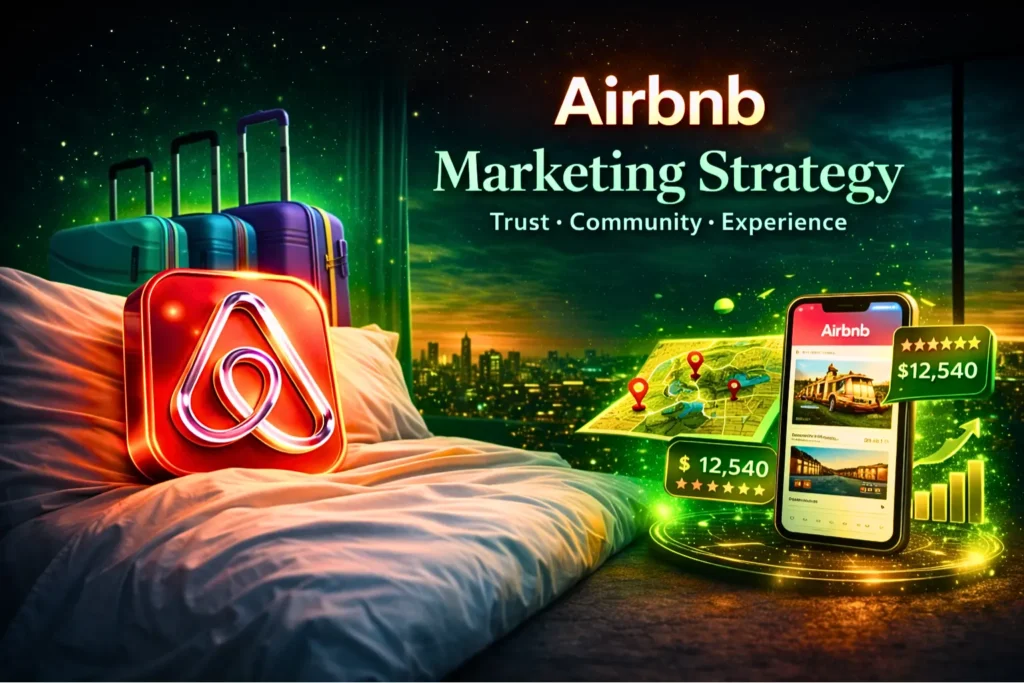
Airbnb rebuilt its reputation after facing major trust issues in its early years. Rather than hiding from problems, they focused on trust, safety and community-driven storytelling. Features like verified listings, user reviews, and host accountability weren’t just product updates, they were reputation moves. On top of that, their campaigns consistently highlight real human experiences, making the brand feel relatable and reliable. Their evolution is a strong example of how to recover and scale trust, which you can explore in this Airbnb Marketing Strategy
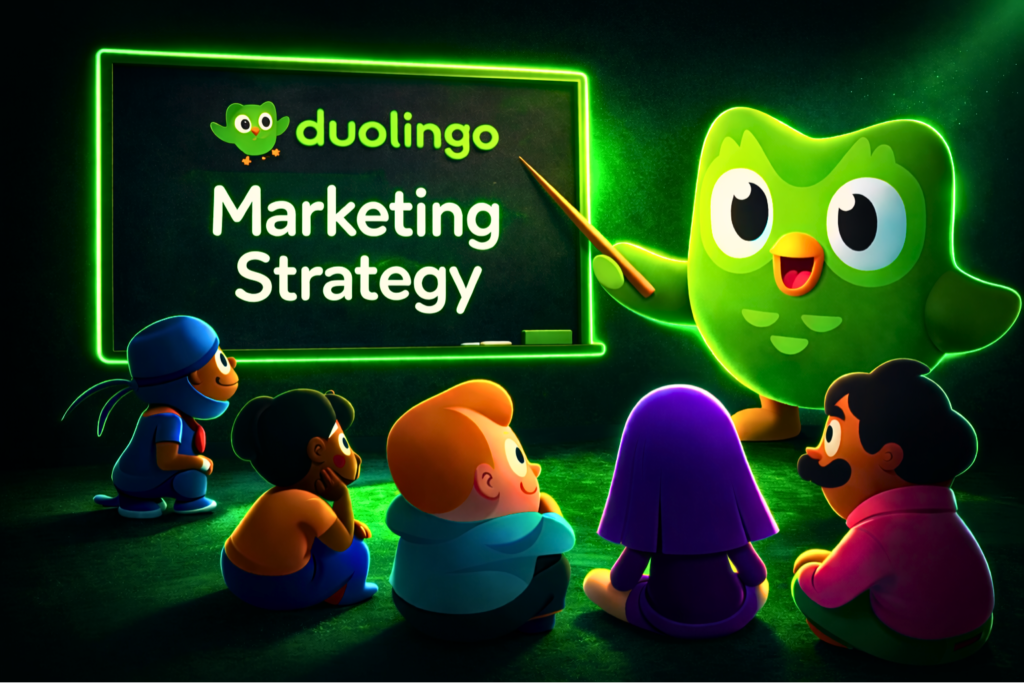
Duolingo took a completely different route by turning its brand into an internet personality. Instead of polished corporate messaging, they embraced humor, memes and even chaos, especially on platforms like TikTok. The Duolingo owl isn’t just a mascot; it’s a cultural character. This approach keeps the brand constantly relevant and highly shareable, without spending heavily on traditional advertising. Their reputation isn’t built on authority, it’s built on attention and engagement, as explained in their Duolingo Marketing Strategy
Common Brand Reputation Management Mistakes That Keep Happening
Responding too slowly. In 2026, “we’ll get back to you within 48 hours” is not a reasonable response time for a public complaint. If someone is dragging your brand on X or TikTok, every hour you wait is an hour the narrative builds without your input.
Deleting negative comments. People notice. Screenshots exist. And the Streisand effect is real. Deleting criticism almost always makes things worse because now you look like you have something to hide.
Over-polishing your image. Consumers in 2026 have highly calibrated BS detectors. If every piece of content from your brand looks like it was produced by a committee and approved by legal, people will not trust it. Imperfection, when genuine, builds more trust than polish.
Ignoring employee reviews. A 2.9-star rating on Glassdoor tells potential customers, partners and investors something about your brand that no amount of external marketing can counteract. Internal reputation bleeds into external reputation faster than most leaders realize.
Treating reputation management as a marketing function. Reputation is cross-functional. It touches product, customer success, HR, leadership and legal. When you silo it inside marketing, you lose the ability to address root causes and end up just managing symptoms.
Frequently Asked Questions About Brand Reputation Management
What is brand reputation management in simple terms?
Brand reputation management is the practice of actively shaping how people perceive your brand. It involves monitoring what people say about you online and offline, responding to feedback with genuine care, creating content that reinforces your brand values and building internal systems that ensure your brand promise matches the customer experience.
How much does brand reputation management cost?
It depends entirely on scope. A small business can start with free tools like Google Alerts and manual review monitoring for zero dollars. Mid-size companies typically invest between $2,000 to $10,000 per month in social listening tools, content creation and dedicated personnel. Enterprise brands may spend six figures monthly on comprehensive reputation management programs that include PR agencies, crisis communication retainers and advanced monitoring platforms.
How long does it take to repair a damaged brand reputation?
There is no universal timeline but most reputation recovery efforts take 6 to 18 months to show measurable improvement. Minor issues like a few negative reviews might be addressed in weeks with strong response strategies. Major crises involving product failures, scandals or leadership controversies can take years to fully recover from. The key variable is how quickly and transparently you respond to the initial problem.
What tools are best for brand reputation management?
The most effective stack includes a social listening tool (Brandwatch, Mention or Sprout Social), a review management platform (Birdeye or Podium), Google Alerts for basic mention tracking, a media monitoring service (Meltwater or Cision) for press coverage and internal survey tools for employee sentiment. The specific tools matter less than having a consistent process for acting on the insights they provide.
Can a small business do brand reputation management effectively?
Absolutely. Small businesses often have an advantage because they can respond faster and more personally than large corporations. Start by claiming your Google Business Profile, responding to every review within 24 hours, actively asking satisfied customers for reviews and creating helpful content that demonstrates your expertise. Consistency and authenticity matter far more than budget at this level.
What is the difference between brand reputation management and PR?
PR focuses primarily on media relationships, press coverage and public messaging. Brand reputation management is broader. It includes PR but also covers review management, social media monitoring, employee experience, customer service quality, crisis preparedness and the overall alignment between your brand promise and actual customer experience. PR is one tool within the larger reputation management toolkit.
Conclusion
Brand reputation management is not a campaign you run. It is not a quarterly initiative with a start and end date. It is the ongoing discipline of making sure the story people tell about your brand is the story you actually deserve.
The brands with the strongest reputations in America right now are not the ones spending the most on reputation management software. They are the ones where the product is genuinely good, the customer experience is consistently strong, the employees actually believe in the mission and the leadership shows up honestly when things go wrong.
Everything I have covered in this guide points to one truth. Your reputation is not what you say about yourself. It is the sum of every interaction, every product experience, every customer service call and every employee story. Manage all of those well and the reputation takes care of itself.
The Bottom Line
Most brands overcomplicate this, but it’s simple: say what you mean and actually deliver it.
Make sure what you promise matches what people experience every time and everywhere. Be ready for problems before they happen, and treat every customer interaction like it matters, because it does. The brands that win aren’t the ones spending the most money or using fancy tools. They’re the ones that stay honest, show up consistently, and actually care day in and day out.
0 Comments