

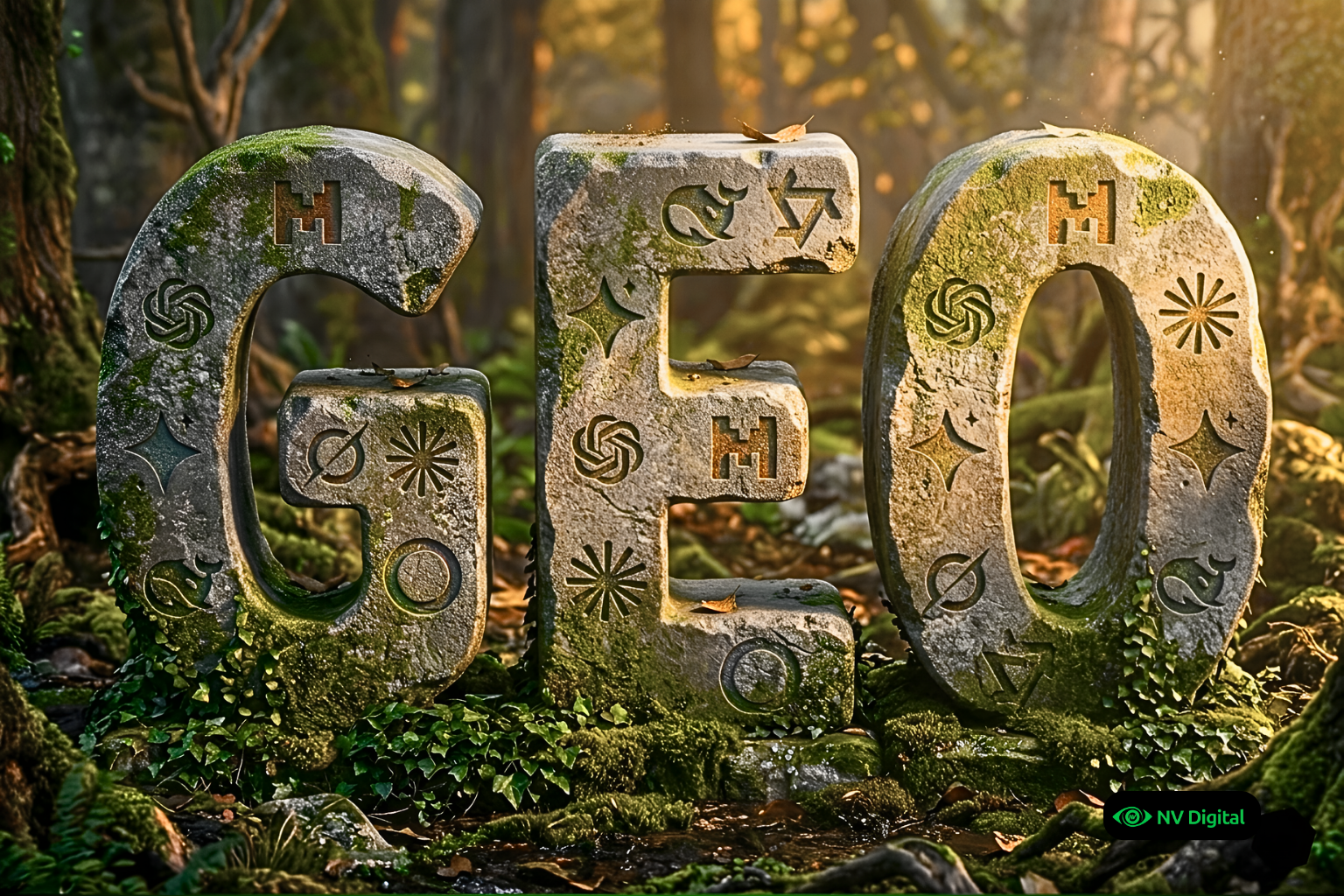
Generative Engine Optimization (GEO) is not just another marketing trend. It shows how online visibility is changing in a world where AI tools are becoming the main way people search for information.
Earlier, websites tried to rank higher on search engines like Google. Now, the focus is different. You are trying to get your content included in answers created by AI tools.
Platforms like ChatGPT, Google AI Overviews, Grok, Claude and Meta tools don’t show a list of links anymore. Instead, they give one simple answer by using information from many sources. Your goal is to make sure your content is included in those answers.
That’s why GEO is so important today. Even if your SEO is strong, your content may not appear in AI-generated answers unless it is properly structured for AI systems.
Table of Contents
What Is Generative Engine Optimization (and Why It Matters Now)
This change is already happening. Millions of people are now using AI tools instead of regular search engines. Tools like ChatGPT have a huge number of users and AI answers are also showing up in many Google Search results.
What’s more important is the type of visitors you get. People coming from AI tools are not just browsing. They already know what they want and are looking for clear answers. Because of this, they are more likely to take action compared to normal search users.
So this is how things work now. SEO helps you get clicks. GEO helps you become a trusted source that AI tools choose and mention.
How AI Search Engines Actually Choose Content
Most people think AI tools work like Google, where they just search and show a summary. But that is not true.
AI tools actually break your question into smaller parts. Then they find answers for each part and combine them to give a final answer. This process is called query fan out. Instead of answering one big question directly, they build the answer step by step using smaller answers.
Because of this, your content should not focus only on big topics. It should also clearly answer small and specific questions.
Also, each AI platform works in its own way. Google AI prefers content that already ranks well in search and uses structured data. ChatGPT often uses trusted sources like Wikipedia, Reddit and well-known websites. Perplexity focuses more on accurate and clearly explained information.
The main point is simple. Just ranking on Google is not enough anymore. AI tools decide what to show based on their own rules and preferences.
Why Structured Data Helps AI Understand Your Content
Before AI uses your content, it needs to understand who you are and what your content is about. If this is not clear, your content is less likely to be used. Structured data solves this. Without it, your content is just text. With it, your content becomes clear and easy for AI to understand.
For example, saying “John is a lawyer” is vague. Structured data tells AI this is a person, their profession, their specialization, and their location.
This clarity improves your chances of being selected. But structured data alone is not enough. It only helps AI understand your content. To get cited, your content must still be useful, original, and clear.
What Makes Content Easy for AI to Use
This is where GEO is different from traditional SEO. AI systems do not prefer general content. They look for clear and verifiable information. Specific data works better than vague statements.
For example, saying “AI improves marketing results” is too general. But saying “AI improves marketing ROI by a specific percentage” is clear and useful. AI can easily pick and use that.
There are four key things that increase your chances of being cited. Original data is the most important. If you share something unique that others do not have, AI is more likely to use your content. Expert quotes add trust. When real people with proven knowledge are included, your content becomes more reliable.Statistics with proper sources make your content stronger. AI tools avoid claims that are not backed by data. Direct answers at the start help AI quickly understand your content. Do not delay the main point. Give the answer immediately.
Content Structure That Works for GEO
How you write matters just as much as what you write. AI systems scan content in chunks. They look for clear sections that directly answer questions. That is why your headings should match real user queries.
Instead of vague headings, use question-based headings that reflect how people actually search. Each section should focus on one topic. Start with a clear answer and then add an explanation. This makes your content easier for AI to pick and use.
GEO for Service Businesses
If you run a service business, your biggest advantage is expertise. Your content should focus on solving real problems with clear answers. Do not start with brand introductions. Start with useful information.
You also need to build authority outside your website. AI systems trust mentions from external platforms like forums, videos and trusted publications. Another critical factor is consistency. Content needs to be updated regularly. AI systems prefer fresh information and older content gets replaced quickly.
GEO for Ecommerce Websites
Ecommerce works differently because AI is moving toward direct recommendations and even purchases inside chat interfaces. Your product data must be clear and structured. Pricing, availability and product details should be easy for machines to understand.
Generic descriptions will not work. Specific details like size, weight and features increase your chances of being recommended. Content also plays a big role. Buying guides, comparisons and product testing data help AI systems understand your products better.
User-generated content like reviews and Q and A sections also adds credibility because it reflects real usage.
GEO vs SEO What Actually Changes
GEO does not replace SEO. It builds on top of it. SEO focuses on ranking pages and getting clicks. GEO focuses on getting cited inside answers. SEO rewards backlinks and keyword optimization. GEO rewards clarity, structure and original insights.
SEO content can stay relevant for a long time. GEO content needs regular updates because AI systems constantly refresh their sources. The smart approach is not choosing one over the other. It is combining both. If you want a deeper comparison, check out the SEO vs GEO blog.
Frequently asked questions
What is generative engine optimization GEO in simple terms?
Generative engine optimization is the process of making your content easy for AI tools like ChatGPT, Google AI and Perplexity to understand and use in their answers. Instead of ranking on a search results page, your goal is to get your content quoted directly when AI responds to a user query. It is essentially the next evolution of SEO where visibility comes from being selected as a trusted source.
Is GEO the same as SEO?
No, GEO and SEO are not the same but they work together. SEO focuses on ranking your website on search engines to get clicks and traffic. GEO focuses on getting your content cited inside AI-generated answers. While both rely on good content and authority, GEO requires more structured, clear and data-driven content that AI systems can easily extract and trust.
How do I track if AI is citing my content?
You can start by manually searching your target queries on platforms like ChatGPT and Perplexity and checking if your website is mentioned. For better tracking, you can use tools that monitor AI citations and brand mentions. You should also track referral traffic from AI platforms in analytics tools like GA4 to understand how much traffic and conversions are coming from AI sources.
Does GEO work for small businesses not just big brands?
Yes, GEO actually gives small businesses an advantage right now. Most large brands are still slow to adapt to AI optimization. If you create clear, helpful content and publish original insights or local data, you can get cited even above bigger competitors. The space is still new, which means early adopters can win faster.
How often should I update my content for GEO?
You should update your important content at least once every three months. AI systems prefer fresh and updated information and older content gets replaced quickly in citations. Adding new data, updating statistics and improving clarity regularly will help maintain your visibility in AI-generated answers.
Is Google AI Overview available in my country?
Google AI Overview is already available in many countries including the United States, United Kingdom, India, Australia and several European regions. Availability continues to expand and depends on both location and language. Even if it is not fully rolled out in your region yet, it is coming, so preparing your content early gives you an advantage.
What is the single most impactful GEO tactic I can implement today?
The most impactful thing you can do right now is create content with original data and clear answers. AI systems prefer content that provides unique insights, real numbers and direct explanations. At the same time, make sure AI crawlers can access your website. Without access, even the best content will never get cited.
Final Thoughts Start Building Authority Now
GEO is not a future trend. It is already shaping how people find information. The opportunity right now is huge because most businesses have not adapted yet. If you start early, you can build strong citation authority before the competition catches up.
Focus on creating content that answers questions clearly. Add real data and insights. Structure your content so AI systems can understand it easily. Keep your content updated and relevant. The brands that get quoted consistently will dominate visibility in the AI search era.
0 Comments