

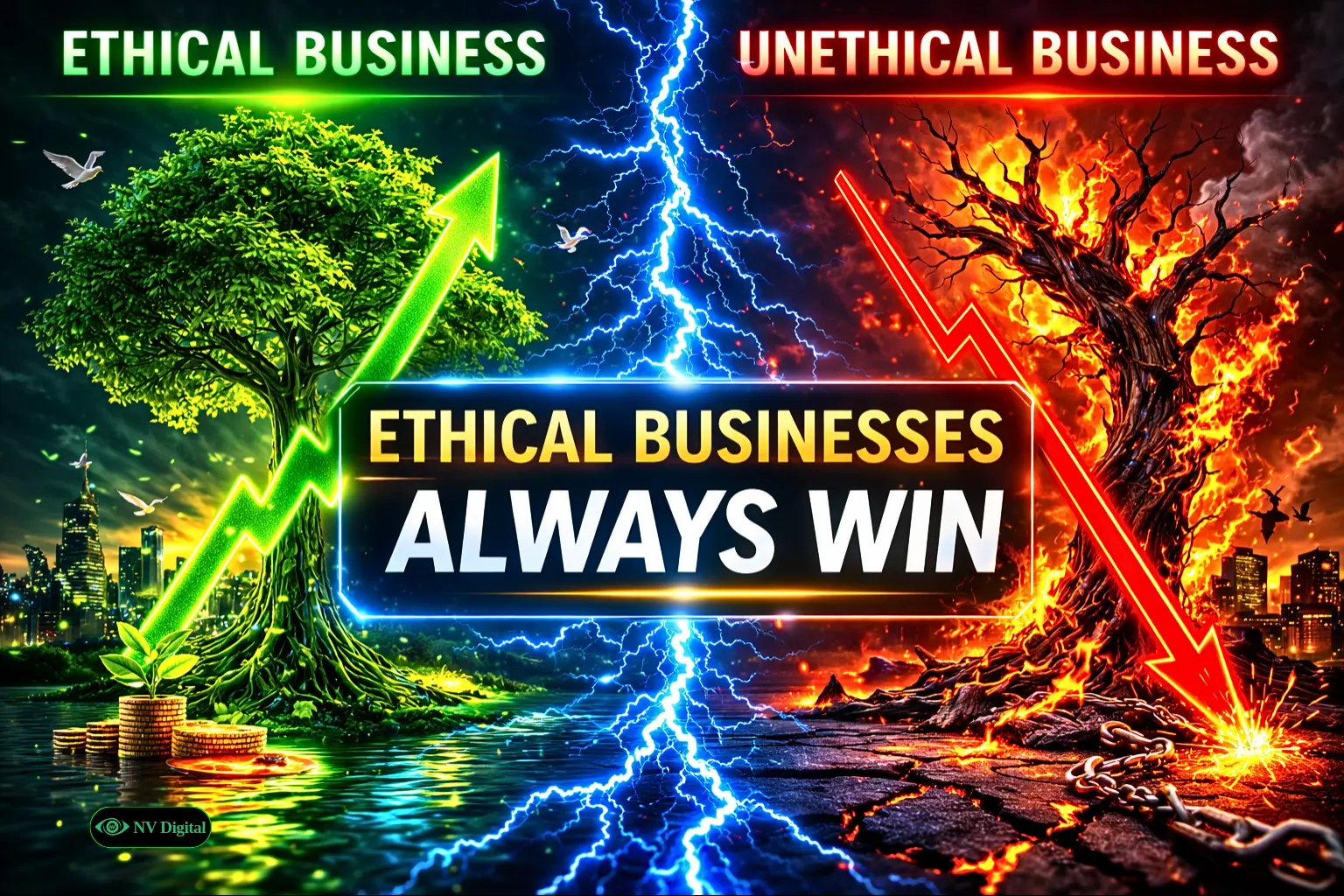
For many years, businesses followed one simple rule: make as much profit as possible, as fast as possible.
Companies focused on aggressive marketing, cutting costs and scaling quickly. Ethics was usually treated as optional, not important.
But that mindset is changing.
Today’s customers are more informed, more connected and more vocal. If a brand lies, hides information or misuses customer data, people quickly expose it on social media.
Because of this, businesses that are transparent and responsible are starting to perform better than companies that only chase short-term profit.
In 2026, being ethical is not just about doing the right thing. It’s also a smart business strategy.
Table of Contents
The Growing Importance of Trust in Business
Trust is one of the most valuable things a company can have today. The internet is full of fake information, fake reviews, misleading ads, and data leaks. Because of this, many people do not easily trust brands.
Ethical companies solve this by being open and honest. They clearly tell customers about their pricing, where their products come from, their policies, and how they use customer data. They also admit their mistakes.
This honesty builds trust. Today, customers are not just buying a product. They are buying trust and peace of mind.
How Gen Z Is Changing the Market
Another reason ethical businesses are winning is because of Gen Z customers.
Gen Z is now becoming one of the biggest groups of buyers. But they don’t buy things the same way older generations did. They don’t look only at the price, they also ask deeper questions before buying.
| What Gen Z Wants to Know | Why It Matters |
|---|---|
| How the product is made | They prefer responsible production |
| How workers are treated | Fair labor practices matter |
| Environmental impact | Sustainability influences purchases |
| Data privacy | They care about how brands handle personal data |
Many studies show that younger consumers are willing to pay more for products from brands that align with their values. At the same time, they are quick to criticize companies that behave unethically.
This creates a big advantage for businesses that prioritize transparency.
Ethical Use of AI Is Becoming Important
Artificial intelligence is now used in many parts of business like marketing, customer support and product recommendations. But how companies use AI really matters.
Some companies misuse AI by creating spam content or collecting user data without clear permission.
Ethical businesses do things differently. They focus on improving user experience, protecting customer privacy, being open about how their AI works and clearly explaining how customer data is used.
Companies that follow these practices will be better prepared as AI rules and regulations continue to grow around the world.
The Hidden Business Benefits of Ethics
Many business owners think following ethical practices will slow down their growth. But in reality, it often helps businesses in the long run.
When a company has strong values, employees feel more respected and proud to work there. Because of this, they are more likely to stay for a longer time. This also saves the company money because they don’t have to constantly hire and train new employees.
Ethical businesses also protect their reputation. Companies that take unethical shortcuts often face bigger problems later. This can include misleading advertising, poor product quality or misusing customer data.
These kinds of actions can lead to legal issues, public criticism and loss of customer trust. Businesses that focus on doing things the right way avoid many of these risks.
Ethical Branding Builds Strong Customer Loyalty
Customers remember how a brand behaves. When a company is honest about its pricing, policies and even its mistakes, customers feel respected. Over time, this builds a stronger relationship between the brand and the customer.
When people trust a brand, they are more likely to keep buying from it. They also recommend the brand to their friends and family. This helps businesses grow without spending too much on marketing.
In the long run, trust turns normal customers into loyal supporters.
Ethical Marketing vs Manipulative Marketing
Some companies still use questionable marketing tactics to increase sales. This can include creating fake scarcity like saying “Only 2 items left,” using misleading advertisements or posting fake customer reviews.
These tactics might increase sales for a short time, but they damage customer trust in the long run. Ethical marketing takes a different approach. It focuses on being honest and clear with customers instead of trying to manipulate them.
| Manipulative Marketing | Ethical Marketing |
| Fake urgency | Honest product availability |
| Misleading ads | Accurate product descriptions |
| Fake reviews | Genuine customer feedback |
Over time, ethical marketing builds stronger brand credibility.
Why Responsible Supply Chains Matter
Customers today want to know where the products they buy come from. Businesses that ensure fair wages, safe working conditions and responsible sourcing earn more trust from their customers.
For example, Tata Group is known for focusing on ethical business practices and responsible operations. Because of this, many people trust the brand and feel more confident buying its products and services.
Environmental Responsibility Is Becoming Essential
Sustainability is no longer optional for many industries. Today, customers pay more attention to how businesses affect the environment.
When companies reduce waste, use sustainable materials and lower carbon emissions, people notice these efforts. This often attracts customers who care about the environment.
Because of this, many customers prefer to support brands that are trying to run their business in a responsible and eco-friendly way.
Ethical Leadership Shapes Company Culture
A company’s culture often reflects the values of its leaders. When leaders focus on honesty, responsibility, and fairness, these values spread throughout the company.
This kind of leadership helps create a healthier workplace and stronger teams.
A good example is Tata Group, which has been known for ethical leadership and strong values for many years.
How Businesses Should Handle Mistakes
Every company faces problems at some point. What really matters is how the company responds to those problems.
Ethical businesses handle mistakes in a responsible way. They admit the mistake quickly, communicate openly with customers and take steps to fix the issue.
When companies respond like this, it often builds more trust instead of damaging it.
Ethical Businesses Spend Less on Marketing
Trust reduces marketing costs. When customers trust a brand, they naturally recommend it to others. This word-of-mouth promotion can become a powerful growth driver.
| Growth Strategy | Impact |
|---|---|
| Paid ads | Expensive and temporary |
| Word-of-mouth trust | Long-lasting and cost-effective |
Brands with strong reputations often rely less on aggressive advertising.
Trust gives a business a strong advantage over its competitors.
Products can be copied, prices can be lowered and marketing strategies can be duplicated, but trust is very difficult to replicate. When a company consistently acts honestly and treats customers fairly, it gradually builds strong trust with its customers. Over time, this trust becomes a powerful advantage for the brand. Experts call this a “trust moat” because it helps protect the brand from competitors and makes customers continue to choose and support the brand.
How Businesses Can Become More Ethical (Practical Steps)
| Action | Example |
|---|---|
| Transparent pricing | No hidden charges |
| Honest marketing | No fake urgency |
| Ethical AI use | Clear data policies |
| Responsible sourcing | Fair wages |
FAQ’s
1. Can small businesses benefit from ethical business practices?
Yes, ethical practices can help small businesses grow faster by building strong local trust. When small companies are honest about pricing, deliver quality products and treat customers fairly, people are more likely to recommend them to others. This word-of-mouth support can be more powerful than expensive advertising.
2. Do customers really notice whether a business is ethical?
Many customers today actively pay attention to how businesses behave. Online reviews, social media discussions, and brand transparency make it easier for people to evaluate companies. Businesses that consistently act responsibly often gain stronger public support.
3. Can unethical business practices damage a company’s reputation?
Yes, unethical actions can damage a brand very quickly. Negative news, customer complaints, or misleading practices can spread rapidly online. Once trust is lost, it can take years for a company to rebuild its reputation.
4. How can ethical values improve employee motivation?
Employees often feel more motivated when they work for a company that values honesty and fairness. When staff members believe their workplace operates responsibly, they tend to feel more proud of their work and stay with the company longer.
5. Why is long-term reputation important for business growth?
A strong reputation helps businesses attract both customers and talented employees. Companies that maintain a positive image are more likely to build long-term partnerships, receive customer recommendations, and sustain steady growth over time.
Final Thoughts
The business environment in 2026 is very different from the past. Customers expect transparency, responsible technology, fair treatment of employees and respect for privacy.
Companies that ignore these expectations risk losing trust and damaging their reputation. But businesses that prioritize ethics gain something much more valuable than short-term profits.They gain long-term trust, loyal customers and sustainable growth. And in today’s market, that is one of the strongest competitive advantages a company can have.

0 Comments