

Quick Direct answer (What is SEO)
SEO (Search Engine Optimization) is the process of improving your website so it shows up higher on Google and other search engines.
It helps you get organic traffic, which means visitors come to your site without paid ads.SEO improves your website’s visibility, so more people can find you when they search for related topics.
It is a long-term strategy that keeps bringing traffic over time instead of stopping when ads stop. Good SEO also builds trust, because people usually trust websites that appear on the first page of search results.
Simple Example for Better Understanding of SEO
Imagine you run a bakery in New York.
When someone searches “best chocolate cake near me” on Google, you want your bakery website to appear on the first page.
If your website is properly optimized with the right keywords, good content, fast loading speed and correct location details, Google understands your site better and shows it higher.
That’s SEO.
No ads, no paying for every click. Just improving your website so the right people can find you when they search.
Table of Contents
How Search Engines Work (3 Simple Steps)
First Step Crawling – Search engine bots visit and discover your website pages.
Second Step Indexing – Google stores those pages in its database.
Third Step Ranking – Google shows the best and most relevant pages at the top of search results.
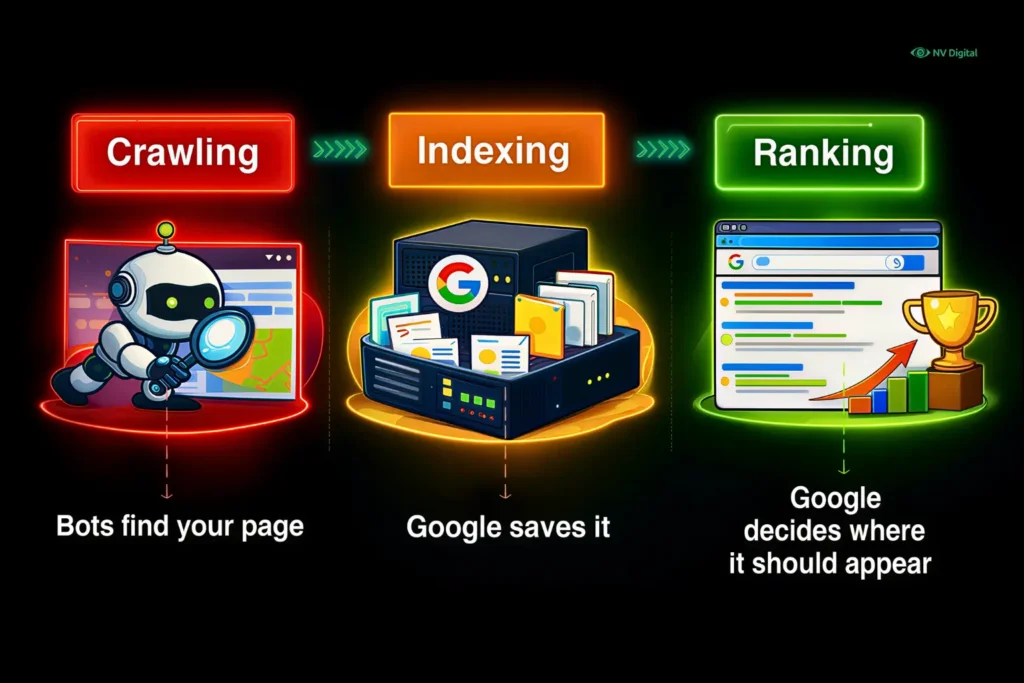
Simple – If your website is optimized better than your competitors, you rank higher.
Types of SEO
There are three main types of SEO. Each one does a different job. If you ignore one, your results won’t be strong.
1) On-Page SEO
This is everything you control inside your website.
It includes creating quality content with proper keyword research, writing optimized titles and meta descriptions, using clear headings like H1, H2 and H3, adding smart internal links, optimizing images and keeping your URLs clean and structured.
If your content is weak, no trick will save it.
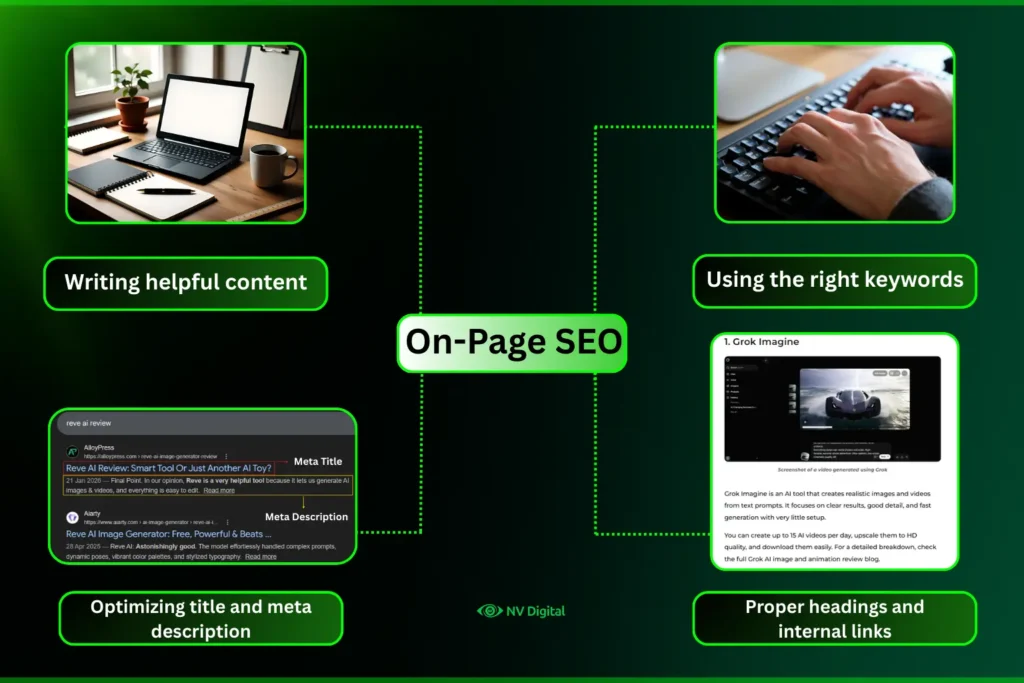
Example:
If you write a reve ai review blog about “AI Tools Testing” and clearly explain features, price range, and use cases – that’s on-page SEO.
2) Off-Page SEO
This is about building trust outside your website.
It basically means other websites linking to you, people talking about your brand online and your overall reputation on the internet, all of which help search engines see you as credible and worth ranking higher.
More high-quality backlinks = more authority = better rankings.
But spammy links? They destroy credibility.
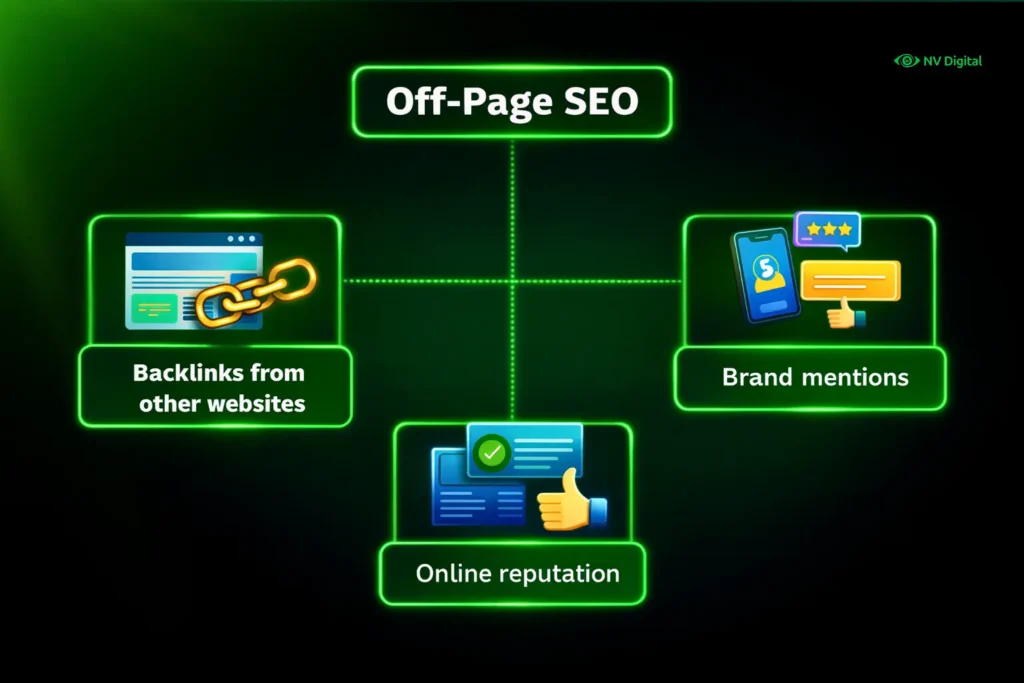
High-quality backlinks matter. For example, when other websites reference your detailed analysis or review content, it strengthens your authority. (See our in-depth Manus AI review as an example.)
3) Technical SEO
This makes sure your website works properly.
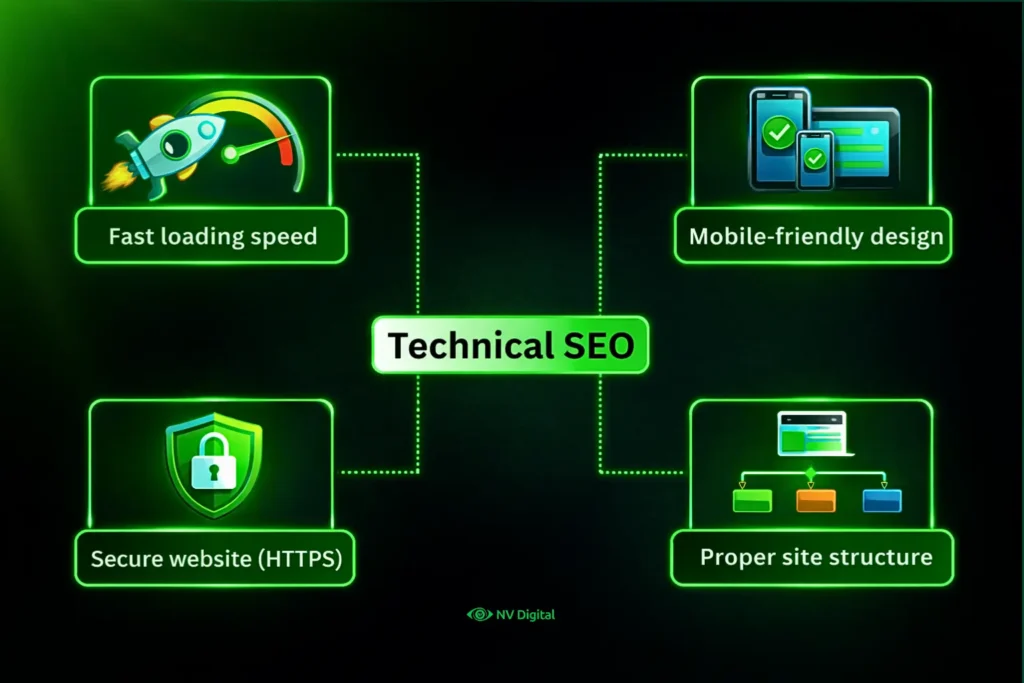
It includes making sure your website loads fast, works well on mobile, is secure with HTTPS, has an XML sitemap and robots.txt set up correctly, fixes broken links and ensures search engines can properly crawl and index your pages.
If Google cannot properly crawl your website, it will not rank, simple as that.
Example:
If your website loads in 2 seconds and works smoothly on mobile, users stay longer and Google prefers that.
Benefits of SEO
SEO brings free traffic to your website, helps you stay visible for the long term, builds trust and credibility, generates steady leads, gives better returns than ads and keeps working for you 24/7 without stopping.
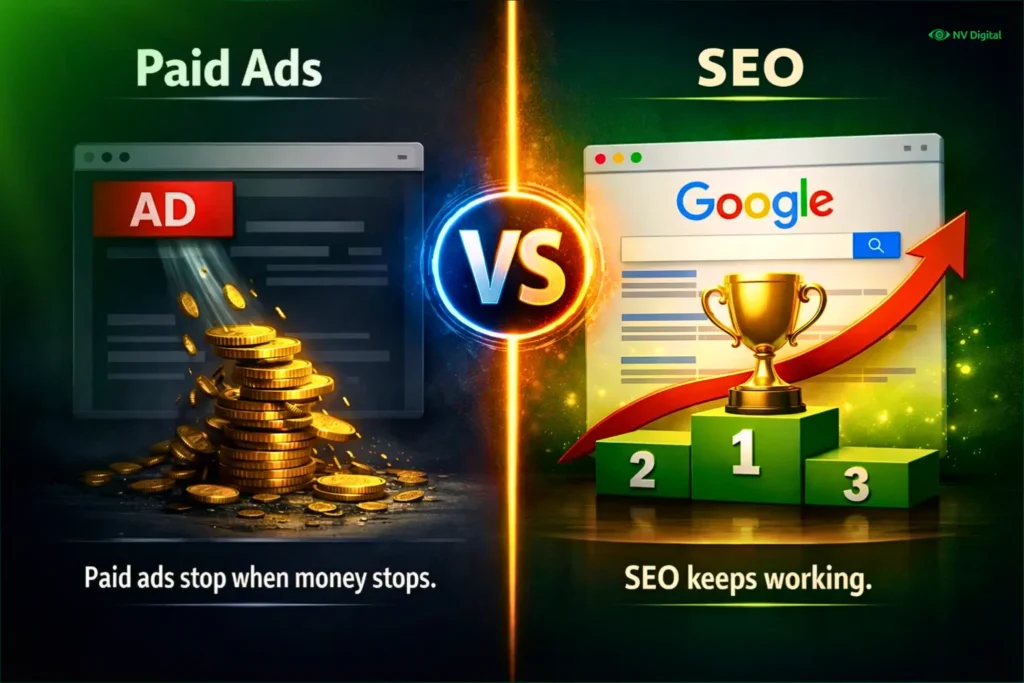
Paid ads stop bringing traffic the moment you stop spending money, but SEO continues working for you long after the initial effort.
SEO for Beginners
If you are just starting, focus on learning keyword research, creating genuinely helpful content around those keywords, optimizing your titles, headings, and meta descriptions, making your site fast and mobile-friendly, and then working on building quality backlinks.
Focus on mastering the basics first instead of wasting time chasing hacks that won’t give you lasting results.
How to Do SEO?
Start by finding what people are actually searching for, create useful content around those topics, optimize your on-page elements, improve your site speed and structure, build quality backlinks and track your results using Google Search Console and Analytics.
SEO is about consistent effort over time, not chasing shortcuts that never last.
SEO Meaning in Digital Marketing
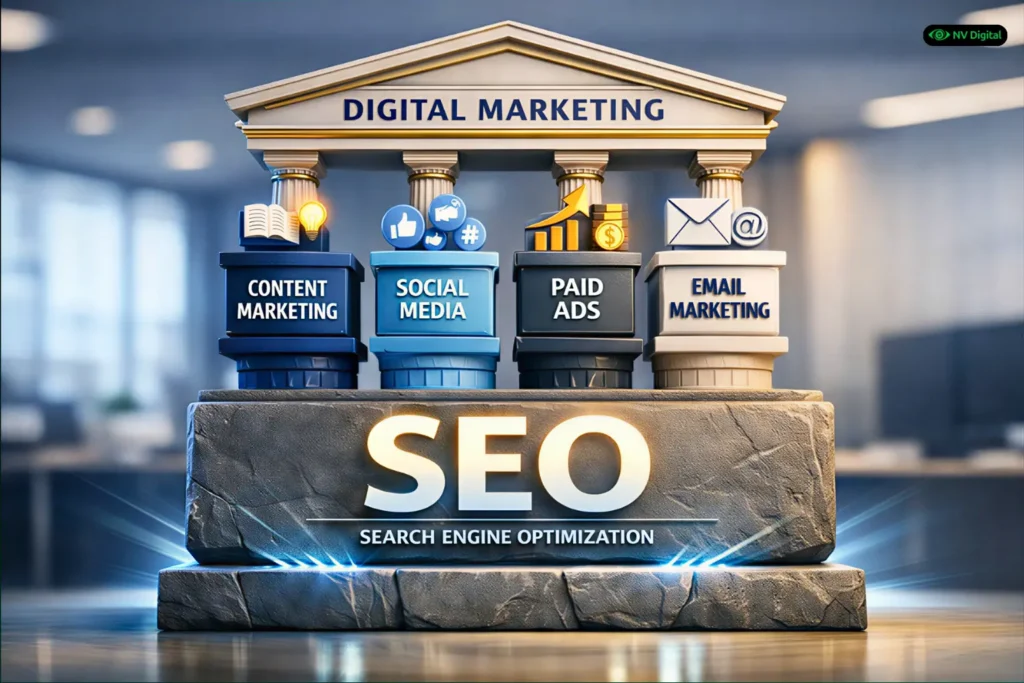
In digital marketing, SEO is the channel that brings free organic traffic from search engines without paying for ads, and it works together with content marketing, social media, paid ads and email marketing but at the end of the day, SEO is the foundation that supports everything else.
Importance of SEO
If people cannot find you online, you practically do not exist, which is why SEO matters because most users click only first page results, they trust organic listings more than ads, search traffic usually has strong buying intent and ranking well gives you a long-term competitive advantage.
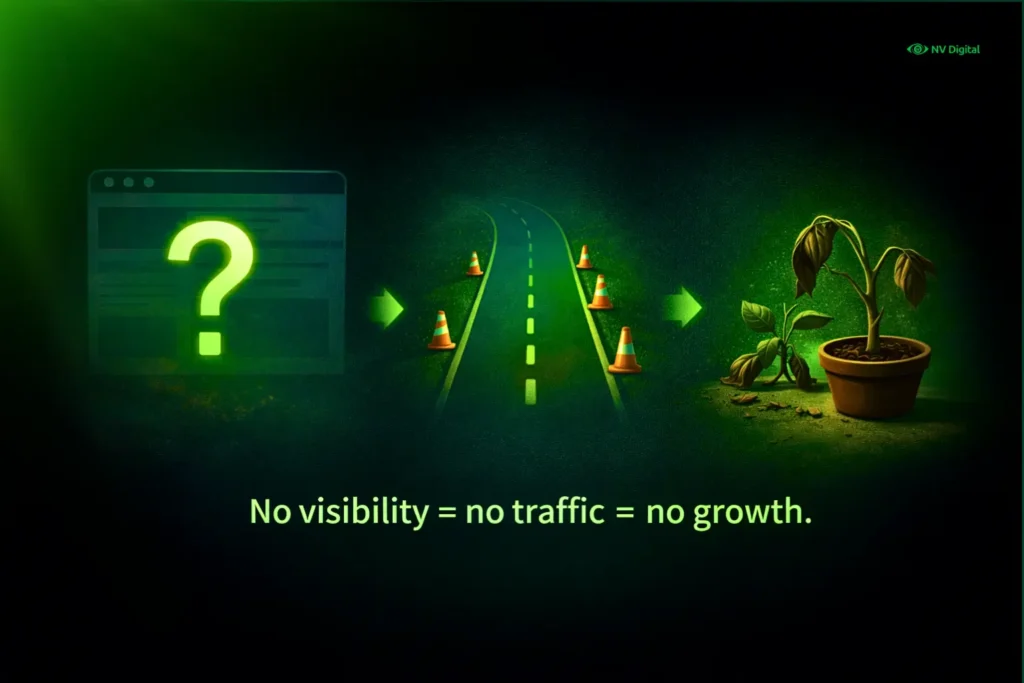
If you have no visibility, you get no traffic and without traffic, there is no real growth.
Why SEO Is Not Working Now (For Many People)
Important Note: SEO still works, but if you are not seeing results, the real problem is likely your approach, not the strategy itself. If you want a detailed breakdown of the real reasons behind this, read our guide on Why SEO is not working now.
Why most people fail
Your SEO is not working because you may be targeting the wrong keywords, your content does not satisfy the user intent, you have no quality backlinks, your technical setup is weak, you lack consistency, you expect instant results and you underestimate how much smarter Google has become.
For most people, SEO “doesn’t work” because they quit before real momentum has a chance to build.
Things to Avoid in SEO
SEO is not just about what to do. It is also about what not to do. Many websites fail because they focus on shortcuts instead of building real value. Avoid stuffing keywords unnaturally, copying content from other websites, buying spammy backlinks, hiding text, using misleading redirects, or publishing thin pages just to target more keywords. These tactics may bring short-term gains, but they damage trust and rankings over time.
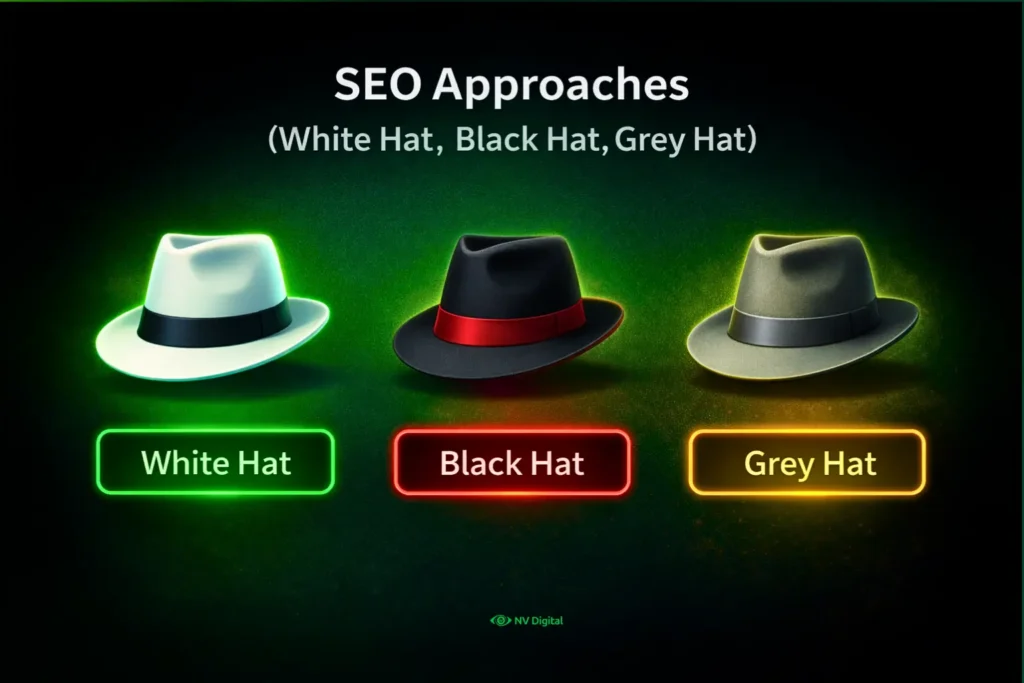
This is where different SEO approaches matter. Black Hat SEO relies on manipulation and shortcuts, which can lead to penalties. Grey Hat SEO pushes boundaries and carries risk. White Hat SEO focuses on quality content, user experience, and earning authority naturally. If you want long-term growth, stay on the safe side and build your website the right way.
SEO Approaches (White Hat, Black Hat, Grey Hat)
Some brands take the shortcut route with SEO, like chasing fast rankings through tactics that search engines don’t favour. It might create temporary spikes in traffic, but it will hurt them badly. Here’s why.
White Hat SEO: Doing SEO the right way by following guidelines and creating real value for users.
Black Hat SEO: Using shortcuts and tricks to manipulate rankings, even if it risks penalties.
Grey Hat SEO: Using tactics that are not clearly wrong but still push limits and carry some risk.
Critical SEO Factors You Cannot Ignore
1. Search Intent
Google ranks pages that match what the user actually wants.
There are four main types of search intent, (informational) when people want to learn something, (commercial) when they are comparing options before deciding, (transactional) when they are ready to buy or take action, and (navigational) when they are looking for a specific website or brand.
If your content does not match the intent behind the keyword, it will not rank. Even perfect optimization cannot fix intent mismatch.
2. E-E-A-T (Experience, Expertise, Authoritativeness, Trustworthiness)
Google looks at whether your content shows real experience, proves you actually know what you are talking about, comes from a trusted website, and gives clear signals that people can rely on it.
If your content looks generic, copied, or written without real insight, rankings suffer. Especially in finance, health, and business niches. Authority matters more than ever.
3. Core Web Vitals
Google measures user experience by checking how fast your page loads, how quickly users can interact with it, and whether the layout stays stable without sudden shifts while it is loading.
If your site is slow, jumps while loading, or feels clunky, users leave.
High bounce rate = weak rankings. Good SEO now includes performance optimization.
4. Content Quality Signals
Google evaluates your content by looking at how deep and detailed it is, how clearly it is structured and easy to read, whether it offers original insights, how well you use internal linking, and whether the information is updated and relevant.
Thin content does not survive anymore. Long content alone doesn’t win either. Useful content wins.
5. Algorithm Updates
Google updates its algorithm regularly, so if your rankings drop, it could be because your content is not deep enough, your competitors have improved, your backlink profile is weak, or you are still relying on outdated tactics that no longer work.
You cannot control updates. You can control quality, authority and user experience.
FAQ’s
1. How long does SEO take?
SEO is long-term. You might see small improvements in 3 to 6 months, but real, stable growth usually takes 6 to 12 months. The timeline depends on your competition and how strong your content and strategy are.
2. Is SEO dead because of AI search?
No. It is changing, not dying. Even with AI answers in search results, organic search still drives a huge share of website traffic. You just need to focus more on real user intent, not just stuffing keywords.
3. What matters most for rankings in 2025?
Three things: strong, trustworthy content, solid technical performance like speed and mobile friendliness, and quality backlinks from reputable sites.
4. What is the difference between SEO and GEO?
SEO focuses on ranking your website in search engine results to drive organic traffic, while GEO focuses on getting your brand featured inside AI-generated answers. In short, SEO ranks pages and GEO earns AI visibility. If you want a deeper explanation, check this detailed guide on SEO vs GEO.
5. On-page vs. off-page SEO?
On-page SEO is what you control on your website, like content, titles, and internal links. Off-page SEO is about building authority outside your site, mainly through backlinks and brand mentions.
6. How do you find the right keywords?
Start with basic industry terms, understand what the user actually wants, check search volume and competition using tools, and focus on specific long tail keywords that are easier to rank and convert better.
7. Will duplicate content hurt rankings?
Yes, it can. Google may not ban you, but it will struggle to decide which page to rank, and both versions can suffer. Keep your content original and clear.
Conclusion
SEO is not a shortcut. If your website is fast, useful and trusted, it will get noticed. Focus on the basics, understand what people are looking for, create helpful content, fix any issues and build your reputation over time. Paid ads bring traffic quickly, but SEO gives results that last. If people can’t find you online, they can’t buy from you.
0 Comments